

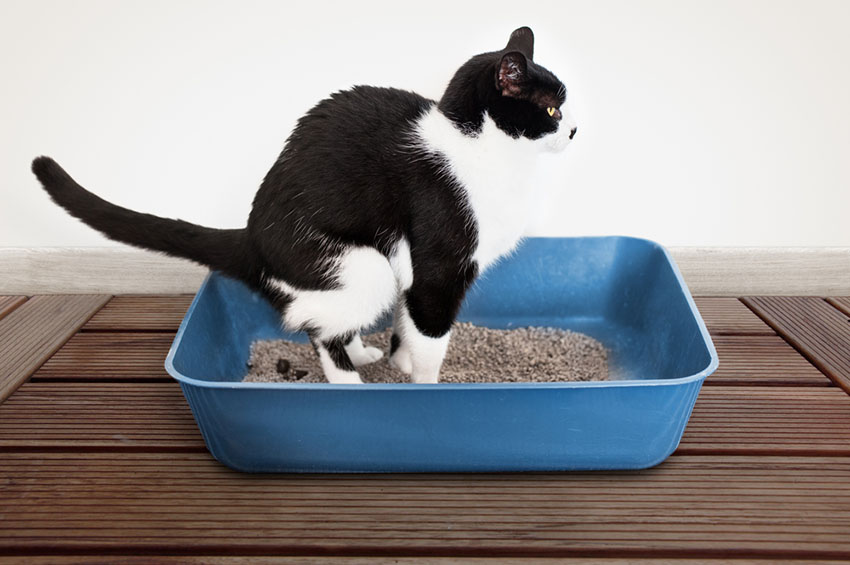
Some owners notice a small change around the litter tray.
The cat still uses it,
but something about the behaviour looks different.
The cat may hesitate before entering, move carefully inside, or take longer than before.
At first, it may seem like a habit change.
But how a cat uses the litter tray can sometimes reflect comfort in movement.
What this can look like
You may notice your cat:
- hesitating before entering the litter tray
- stepping in and out more slowly
- choosing the edge instead of the centre
- leaving the tray quickly after using it
- occasionally avoiding the tray and choosing the floor nearby
These changes can appear gradually.
Why the litter tray can reveal movement changes
Using the litter tray involves several movements.
The cat must step over the edge, lower the body, balance while squatting, and rise again.
If those movements become uncomfortable,
the behaviour around the tray may begin to change.
Owners often say:
“She still uses the tray, but something looks different.”
That observation matters.
Things worth noticing
Pay attention if:
- the cat hesitates before entering
- stepping over the edge looks careful
- the body lowers slowly
- the cat spends less time covering the litter
- activity around jumping or climbing also changes
Small details often connect.
What this may suggest
Changes around litter tray use may be linked to:
- reduced comfort when bending the body
- stiffness affecting the spine or hind limbs
- reduced flexibility during movement
- general discomfort when lowering or rising
You do not need to identify the cause.
Simply noticing the change is valuable.
When to think more about it
It is reasonable to look closer if:
- the behaviour repeats often
- the cat begins avoiding the tray
- movement changes appear elsewhere
- general activity becomes lower
Repeated patterns rarely occur by chance.
What owners should avoid
- do not force the cat into the litter tray
- do not assume the behaviour is only stubbornness
- do not ignore gradual changes
- do not give human medication
Observation is often the most helpful first step.
Simple message to remember
The litter tray is part of a cat’s daily routine.
If behaviour there begins to change,
the body may be signalling discomfort.
What to do next
If these changes continue or become more noticeable, a calm discussion with your vet or independent advice can help clarify the situation.
About the author
Dragan Avramović, DVM
Independent advice in small animal surgery and orthopaedics.