

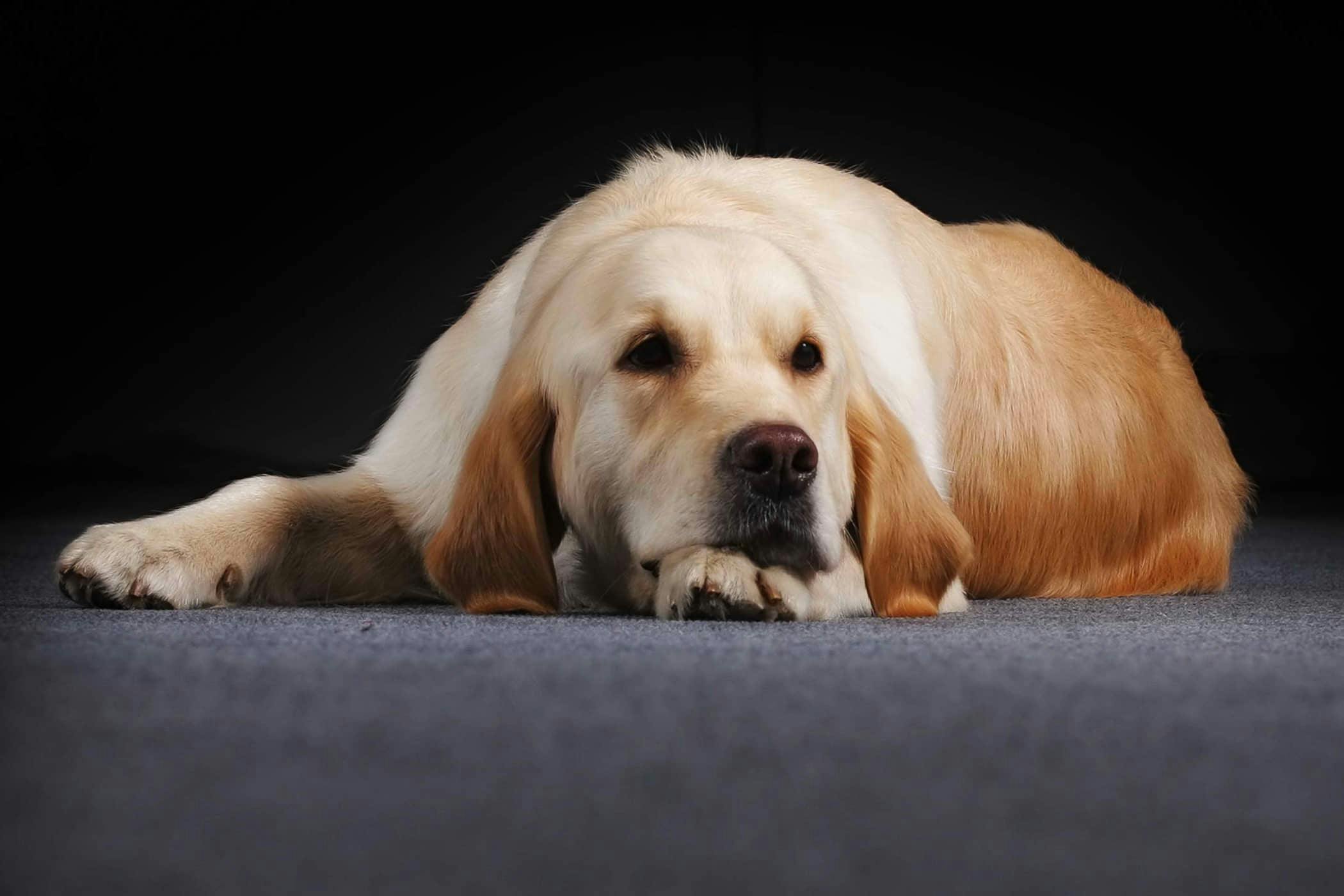
Some owners notice it inside the house.
The dog walks normally outside.
But on smooth floors at home, movement looks uncertain.
The legs may spread slightly.
The dog may slow down or hesitate.
Everything may look normal on grass or pavement.
What this can look like
You may notice your dog:
- hesitates before walking on tiles or wooden floors
- spreads the back legs slightly
- takes shorter steps inside the house
- walks more carefully on smooth surfaces
- moves normally outside
The difference between surfaces is often clear.
Why smooth floors reveal changes
Walking on grass or rough ground gives more grip.
Smooth floors require more stability and coordination.
Small weaknesses can become visible there first.
Owners often say:
“Outside he walks fine, but inside he struggles.”
That detail matters.
Things worth noticing
Pay attention if:
- the back legs appear less stable
- the dog moves slowly indoors
- turning becomes careful
- rising from lying down takes longer
- slipping happens more often over time
Patterns across different situations are important.
What this may suggest
Difficulty on smooth floors may be linked to:
- reduced strength in the limbs
- reduced coordination
- discomfort during weight bearing
- changes in balance
You do not need to identify the cause.
You only need to recognise that movement is different.
When to think more about it
It is reasonable to look closer if:
- the change becomes more frequent
- the dog avoids certain areas of the house
- rising becomes slower
- movement outside also begins to change
Repeated changes deserve attention.
What owners should avoid
- do not force the dog to move quickly
- do not test the movement repeatedly
- do not ignore gradual changes
- do not give human pain medication
Observation is often the most helpful first step.
Simple message to remember
Smooth floors can reveal small changes in movement.
If a dog moves differently indoors than outside,
that difference is meaningful.
What to do next
If these changes continue or increase, a calm discussion with your vet or independent advice can help clarify the situation.
About the author
Dragan Avramović, DVM
Independent advice in small animal surgery and orthopaedics.