

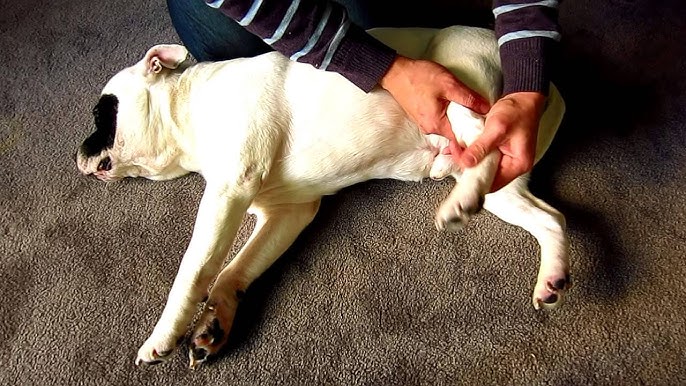
Some owners notice it when the dog is standing still.
Instead of placing all four feet on the ground,
the dog keeps one leg slightly lifted.
It may last only a few seconds.
Sometimes longer.
The dog may still walk a little, but when standing, the leg comes up again.
What this can look like
You may notice your dog:
- standing on three legs
- touching the ground only briefly with one foot
- placing the leg down, then lifting it again
- shifting weight to the other legs
- licking the same paw occasionally
Standing may reveal the change more clearly than walking.
Why dogs lift a leg when standing
Dogs try to avoid placing weight on a painful or sensitive area.
Instead of showing a clear limp at first,
they simply reduce pressure on that leg.
Owners often say:
“He walks a little, but when he stops, he holds the leg up.”
That detail matters.
Things worth noticing
Pay attention if:
- the same leg is lifted each time
- the dog avoids full weight on that foot
- licking appears in the same area
- the behaviour started suddenly
- activity changes after a walk or play
Patterns help tell the story.
What this may suggest
Holding a leg up while standing often means:
- the dog is protecting that limb
- weight bearing is uncomfortable
- movement may still be possible, but not equal
You do not need to identify the cause.
You only need to notice that the leg is not used normally.
When to think more about it
It is reasonable to look closer if:
- the leg stays lifted repeatedly
- the dog refuses to place the foot down
- swelling or sensitivity appears
- walking also begins to change
Changes that repeat are rarely random.
What owners should avoid
- do not force the dog to stand evenly
- do not test the leg repeatedly
- do not continue long walks
- do not give human pain medication
Gentle observation is enough.
Simple message to remember
If a dog keeps one leg lifted while standing,
the body is trying to reduce weight on that limb.
Even if walking still happens, the sign is meaningful.
What to do next
If this pattern continues or worsens, a calm discussion with your vet or independent advice can help clarify the situation.
About the author
Dragan Avramović, DVM
Independent advice in small animal surgery and orthopaedics.