

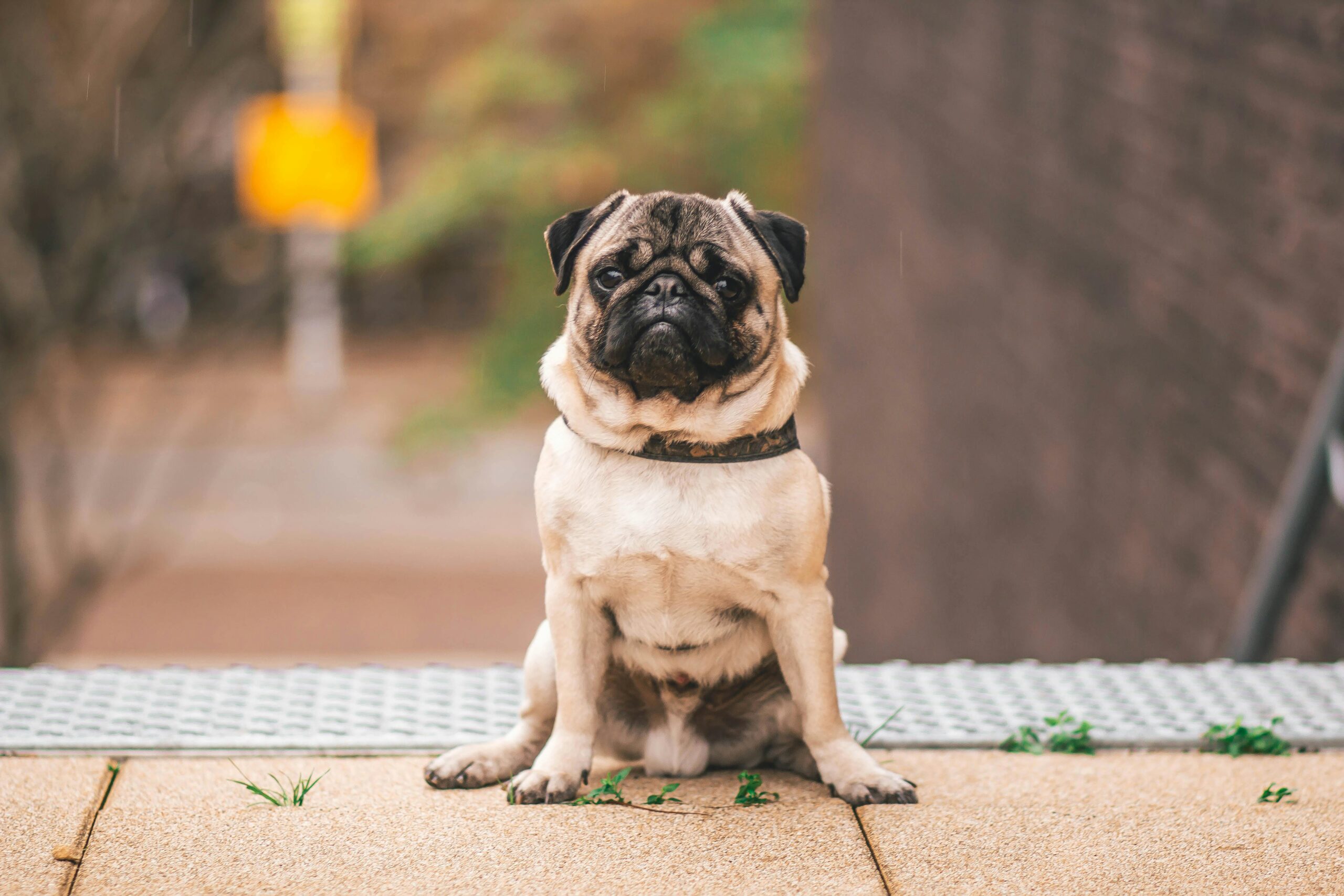
Some owners notice a small change at home.
When asked to sit, the dog hesitates.
Or lowers the body slowly and carefully.
Sometimes the dog avoids sitting altogether and prefers to remain standing or lie down instead.
At first, it may look like a behaviour change.
But the way a dog sits can reveal important clues about comfort in the body.
What this can look like
You may notice your dog:
- hesitates before sitting
- lowers the body slowly
- shifts weight while trying to sit
- sits briefly, then stands up again
- avoids sitting on command
These changes may appear gradually.
Why sitting can reveal discomfort
Sitting requires coordinated movement of the hips, knees, back and muscles of the hind limbs.
If any part of that movement becomes uncomfortable,
the dog may try to avoid the position.
Owners often say:
“He used to sit easily, but now he doesn’t want to.”
That detail matters.
Things worth noticing
Pay attention if:
- sitting becomes slower over time
- the dog prefers lying down instead
- rising from sitting takes more effort
- stairs or jumping also begin to change
- activity levels gradually decrease
Patterns across daily movements help tell the story.
What this may suggest
Reluctance to sit may be linked to:
- reduced comfort during joint movement
- stiffness in the hind limbs
- reduced flexibility in the back
- general movement discomfort
You do not need to identify the cause.
Simply noticing the change is already valuable information.
When to think more about it
It is reasonable to look closer if:
- the behaviour repeats often
- sitting becomes increasingly difficult
- other movement changes appear
- your dog seems less willing to move normally
Repeated changes are rarely random.
What owners should avoid
- do not force the dog to sit
- do not repeatedly test the movement
- do not ignore gradual changes
- do not give human pain medication
Calm observation is often the most helpful first step.
Simple message to remember
Sitting is a natural movement for dogs.
If a dog begins to avoid sitting,
the body may be signalling discomfort.
What to do next
If this change continues or becomes more noticeable, a calm discussion with your vet or independent advice can help clarify what may be happening.
About the author
Dragan Avramović, DVM
Independent advice in small animal surgery and orthopaedics.