

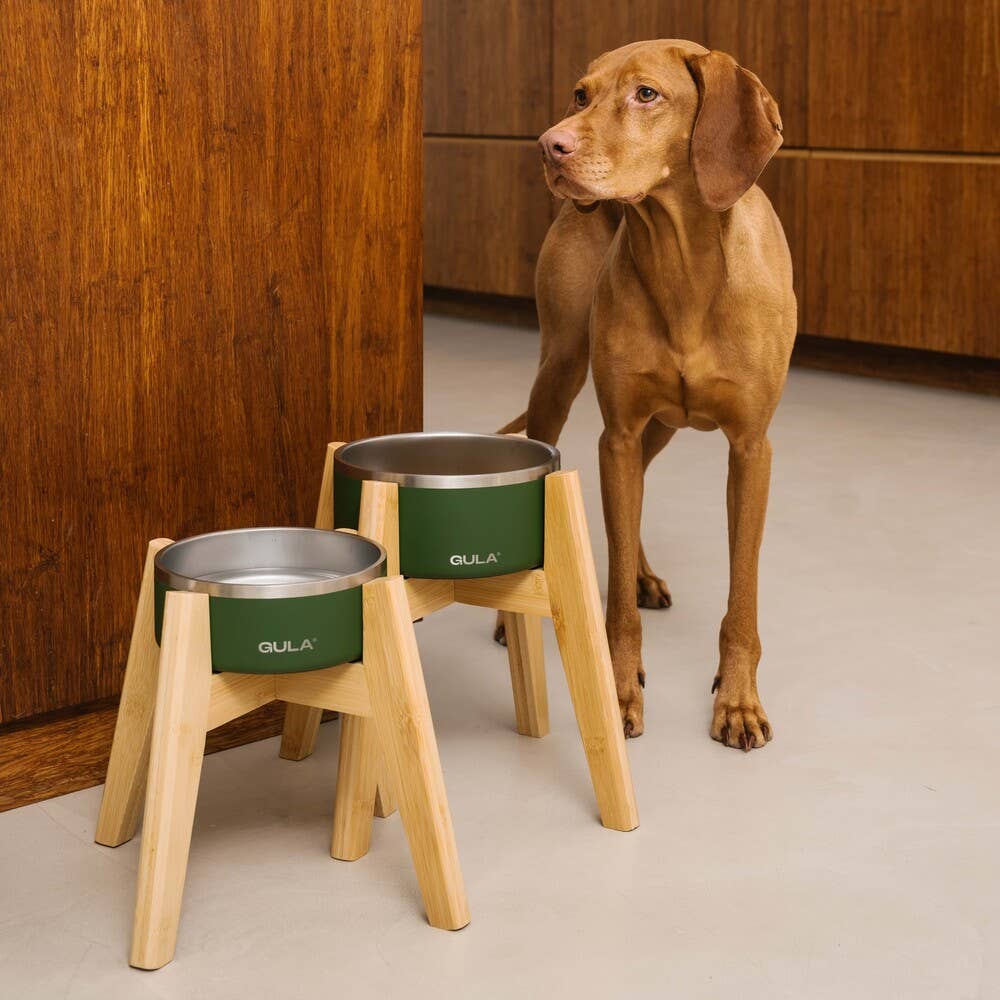
Sometimes owners notice a small change when their dog is standing still.
The dog may not be walking yet.
It may simply be standing in the room, waiting, watching, or resting.
But something about the posture looks different.
Owners often say:
“He stands strangely.”
“He shifts his weight.”
“His back legs look different when he stands.”
That observation matters.
What this can look like
You may notice your dog:
- shifting weight from one leg to another
- standing with one leg slightly lifted
- placing the back legs closer together or further apart
- leaning forward or backward more than before
- adjusting the position of the legs frequently
These changes can appear gradually.
Why standing posture can change
Standing requires balance and comfortable support from all four limbs.
The joints, muscles, and nerves all work together to keep the body stable.
If one part of that system becomes uncomfortable or weaker,
the dog may adjust the way it stands.
Owners often say:
“He walks normally, but when he stands something looks different.”
That detail is important.
Things worth noticing
Pay attention if:
- your dog shifts weight repeatedly
- one leg is used less while standing
- the back legs appear unstable
- the body leans to one side
- standing posture changes over time
Small details in posture can reveal early changes in movement.
What this may suggest
Standing differently may sometimes be linked to:
- discomfort in one limb
- reduced strength in the hind legs
- stiffness affecting joints
- reduced stability in the body
You do not need to identify the cause.
Simply noticing the change is useful.
When to think more about it
It is reasonable to look closer if:
- the posture change repeats frequently
- the dog shifts weight often
- other movement changes appear
- the dog becomes less active
Patterns over time rarely happen by chance.
What owners should avoid
- do not ignore gradual posture changes
- do not force activity
- do not repeatedly test the legs
- do not give human medication
Observation is often the best first step.
Simple message to remember
Standing posture is part of normal movement.
If your dog begins to stand differently,
the body may be signalling discomfort or instability.
What to do next
If the change continues or becomes more noticeable, discussing the situation with your vet or seeking independent advice can help clarify what may be happening.
About the author
Dragan Avramović, DVM
Independent advice in small animal surgery and orthopaedics.