
Some dogs are easy to handle.
They allow you to lift them without any problem.
But sometimes that changes.
Owners often say:
“He used to be fine, now he doesn’t want to be picked up.”
“He tenses when I try to lift him.”
“He cries or reacts when I pick him up.”
That observation matters.
What this can look like
You may notice your dog:
- becoming tense when you reach to lift them
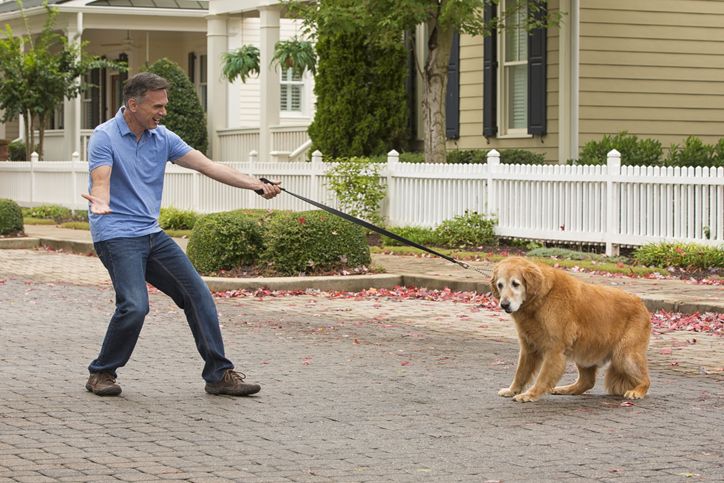
- pulling away or avoiding your hands
- reacting when lifted
- stiffening the body during handling
- resisting being held
Sometimes the reaction is mild.
Sometimes it is clear and repeated.
Why this is important
Being picked up changes the position of the body.
It involves the spine, muscles, and balance.
If something is uncomfortable,
your dog may react to protect that area.
Owners often say:
“He’s fine until I lift him.”
That detail is important.
Things worth noticing
Pay attention if:
- your dog reacts in the same way each time
- handling becomes more difficult
- the body feels tense during lifting
- your dog avoids being picked up
- the reaction becomes stronger over time
Consistency often tells more than a single reaction.
What this may suggest
Reluctance to be picked up may sometimes be linked to:
- discomfort in the body
- sensitivity in the spine or muscles
- changes affecting movement or balance
- protective behaviour due to pain
In some cases, it may also be related to general discomfort rather than movement alone.
You do not need to identify the cause.
Noticing the change is enough.
When to think more about it
It is reasonable to look closer if:
- the reaction repeats
- your dog avoids normal handling
- lifting becomes difficult
- other changes appear (movement, behaviour, rest)
Changes in behaviour during handling usually have a reason.
What owners should avoid
- do not force your dog to be lifted
- do not test the reaction repeatedly
- do not ignore the change
- do not give human medication
Gentle handling and observation are often the best first steps.
Simple message to remember
If your dog no longer wants to be picked up,
the body may be signalling discomfort.
Even if everything else looks normal, this change matters.
What to do next
If the change continues, discussing the situation with your vet or seeking independent advice can help clarify what may be happening.
About the author
Dragan Avramović, DVM
Independent advice in small animal surgery and orthopaedics.