

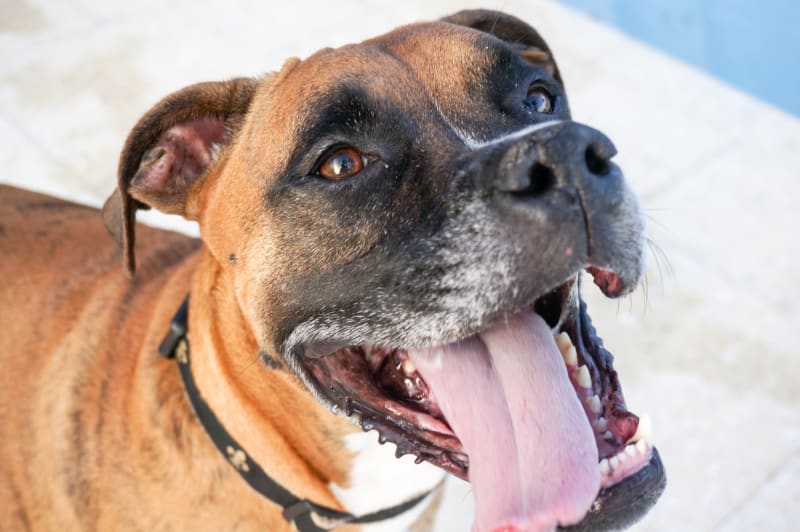
Some dogs start moving normally.
But after a short time, they stop.
Not because of the legs — but to breathe.
Owners often say:
“He walks, then stops to catch his breath.”
“He needs pauses during a short walk.”
“He cannot keep going like before.”
That observation matters.
What this can look like
You may notice your dog:
- walking for a short distance, then stopping
- standing still and focusing on breathing
- needing frequent pauses during activity
- slowing down before stopping
- continuing again after a short rest
Sometimes this happens early during the walk.
Sometimes it becomes more frequent over time.
Why this is important
Movement and breathing are closely linked.
During activity, the body needs to maintain a steady rhythm of movement and breathing.
If this balance is affected,
the dog may need to stop in order to recover.
Owners often say:
“He starts normally, but cannot continue.”
That detail is important.
Things worth noticing
Pay attention if:
- your dog stops repeatedly during activity
- pauses happen earlier than before
- breathing becomes the focus during the stop
- recovery takes longer
- the pattern repeats in similar situations
Patterns during activity often reveal early changes.
What this may suggest
Stopping to catch breath may sometimes be linked to:
- reduced tolerance to activity
- changes affecting breathing during movement
- reduced overall endurance
- discomfort that appears with effort
In some cases, it may also reflect how different body systems respond to activity.
You do not need to identify the cause.
Noticing the pattern is enough.
When to think more about it
It is reasonable to look closer if:
- the stopping becomes more frequent
- your dog avoids activity
- pauses happen after very short effort
- recovery takes longer than expected
Changes in tolerance to movement rarely happen without a reason.
What owners should avoid
- do not push your dog to continue
- do not assume it is just tiredness
- do not ignore repeated patterns
- do not give human medication
Calm observation gives the most useful information.
Simple message to remember
If your dog moves and then needs to stop to catch its breath,
the body may be struggling to keep up with activity.
What to do next
If this pattern continues or becomes more noticeable, discussing the situation with your vet or seeking independent advice can help clarify what may be happening.
About the author
Dragan Avramović, DVM
Independent advice in small animal surgery and orthopaedics.