
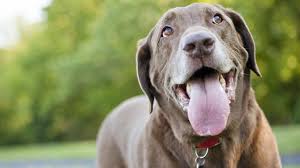
Sometimes owners notice that their dog starts panting more than before.
Not after a long run.
Not after intense exercise.
But after a short walk.
Or even after a few minutes of movement.
Owners often say:
“He gets out of breath quickly.”
“He starts panting much sooner than before.”
That observation matters.
What this can look like
You may notice your dog:
- panting after a short walk
- breathing faster than usual after light activity
- needing to stop sooner during walks
- recovering more slowly after movement
- appearing tired earlier than expected
These changes may appear gradually.
Why this change can be important
Panting is a normal way for dogs to regulate body temperature.
But when it appears earlier or more intensely than before,
it may reflect how the body is coping with activity.
Movement involves more than just muscles and joints.
The heart, lungs, and circulation all work together during activity.
If something changes in that balance,
the dog may show it through breathing.
Owners often say:
“He still walks, but he tires quickly.”
That detail is important.
Things worth noticing
Pay attention if:
- panting starts earlier than before
- your dog tires more quickly
- recovery after activity takes longer
- activity levels gradually decrease
- other changes appear alongside movement
Small changes often connect.
What this may suggest
Panting after light activity may sometimes be linked to:
- reduced tolerance to movement
- discomfort during activity
- changes affecting breathing or circulation
- general difficulty coping with effort
You do not need to identify the cause.
Simply noticing the change is useful.
When to think more about it
It is reasonable to look closer if:
- the change appears repeatedly
- your dog becomes less active
- recovery becomes slower
- the pattern gradually worsens
Repeated patterns rarely happen by chance.
What owners should avoid
- do not assume this is only normal ageing
- do not force longer walks
- do not ignore gradual changes
- do not give human medication
Observation is often the most helpful first step.
Simple message to remember
Panting after activity is normal.
But if your dog begins to pant more after only light movement,
the body may be signalling that something has changed.
What to do next
If this change continues or becomes more noticeable, a calm discussion with your vet or independent advice can help clarify what may be happening.
About the author
Dragan Avramović, DVM
Independent advice in small animal surgery and orthopaedics.