
Some owners feel confused.
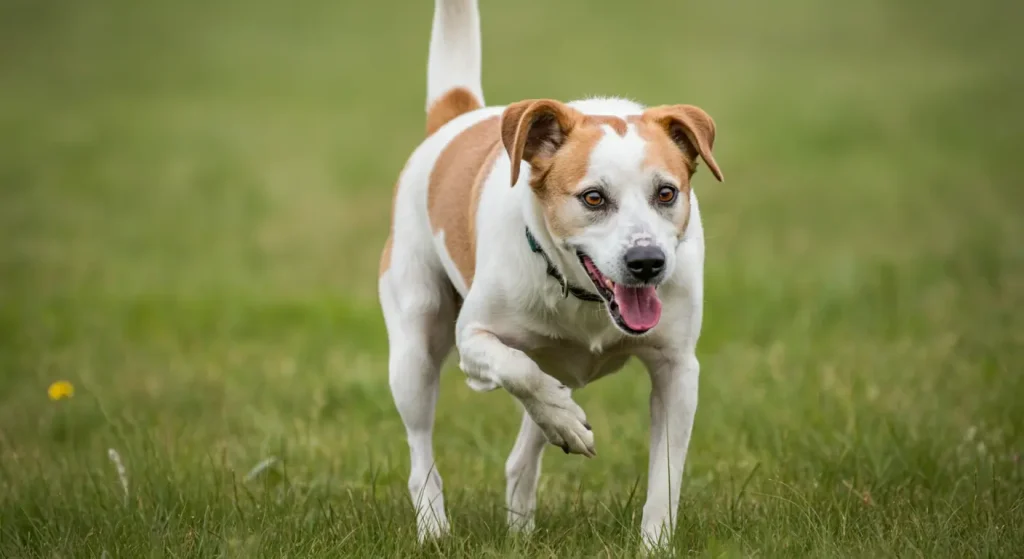
The dog is limping…
but still brings the ball.
Runs a little. Wags the tail. Seems happy.
It does not look like a sick dog.
What this can look like
You may notice your dog:
- limps after rest but improves when moving
- plays for a short time then stops
- runs but avoids sharp turns
- uses three legs briefly, then four again
- slows earlier than before
- rests more after activity
The behaviour and the movement do not match.
Why dogs still play
Dogs often continue activity despite discomfort.
Excitement can hide movement changes.
Adrenaline changes behaviour, not the movement itself.
Owners often say:
“He wouldn’t play if it hurt.”
That is not always true.
Changes worth noticing
Pay attention if:
- limping returns after activity
- play time becomes shorter
- jumping becomes careful
- stiffness appears later the same day
- next day movement is slower
Patterns over time matter more than one moment.
What this may suggest
This situation usually means:
- movement is tolerated but not comfortable
- the body compensates during activity
- recovery after movement takes longer
You do not need to identify the cause.
You only need to notice the mismatch.
When to think more about it
It is reasonable to reflect further if:
- limping lasts several days
- activity gradually decreases
- rest periods increase
- the pattern repeats each day
Active behaviour does not rule out a problem.
What owners should avoid
- do not test by encouraging more play
- do not rely on temporary improvement
- do not give human pain medication
Short improvement can be misleading.
Simple message to remember
A dog can be willing to play and still protect a limb.
Behaviour shows mood.
Movement shows comfort.
What to do next
If limping continues even though your dog seems happy, a calm discussion with your vet or independent advice can help clarify the situation.
About the author
Dragan Avramović, DVM
Independent advice in small animal surgery and orthopaedics.