

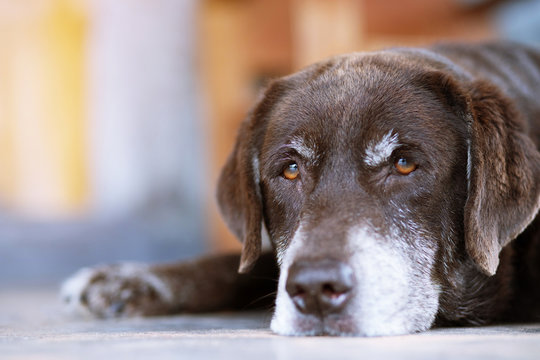
Many owners notice it gradually.
Their dog walks a little slower.
Sleeps a little longer.
Hesitates before jumping or climbing stairs.
It is easy to say, “He’s just getting older.”
Sometimes that is true.
Sometimes it is not.
This guide helps you notice when slowing down may mean more than age alone.
What slowing down can look like
You may notice:
- shorter walks than before
- less interest in play
- reluctance to jump into the car
- hesitation on stairs
- stiffness after resting
- needing more time to stand up
- quieter behaviour than usual
These changes often appear gradually.
Ageing is normal — but movement should still be comfortable
As dogs age, their pace may change.
However, normal ageing does not usually cause:
- clear limping
- visible instability
- repeated stiffness
- obvious reluctance to move
- ongoing discomfort
A healthy older dog may be calmer —
but should still move with confidence.
Small changes often come first
Owners often say:
- “He’s just not as keen as before.”
- “She doesn’t run like she used to.”
- “He prefers to lie down.”
These may be early signs that movement is not as comfortable as it once was.
Slowing down can be linked to:
- joint discomfort
- reduced stability
- changes in strength
- changes in coordination
You do not need to identify which one.
You only need to notice the pattern.
When it is worth paying closer attention
It may be time to reflect further if:
- slowing down is progressive
- stiffness appears daily
- jumping or stairs become difficult
- your dog avoids certain movements
- back legs seem weaker
- activity drops noticeably over a few weeks
Gradual change is still change.
What owners should avoid
- do not assume all change is “just age”
- do not reduce activity without observing patterns
- do not increase exercise suddenly
- do not give human pain medication
Observation comes first. Decisions come later.
Simple message to remember
Ageing changes pace.
It should not quietly reduce comfort or confidence in movement.
If your dog is slowing down in a way that feels different from normal ageing, it is worth paying attention.
You do not need to rush.
You only need to notice.
What to do next
If you are unsure whether the change is simply age or something else, a calm discussion with your vet or independent advice can help you understand the options, at your own pace.
About the author
Dragan Avramović, DVM
Independent advice in small animal surgery and orthopaedics.