

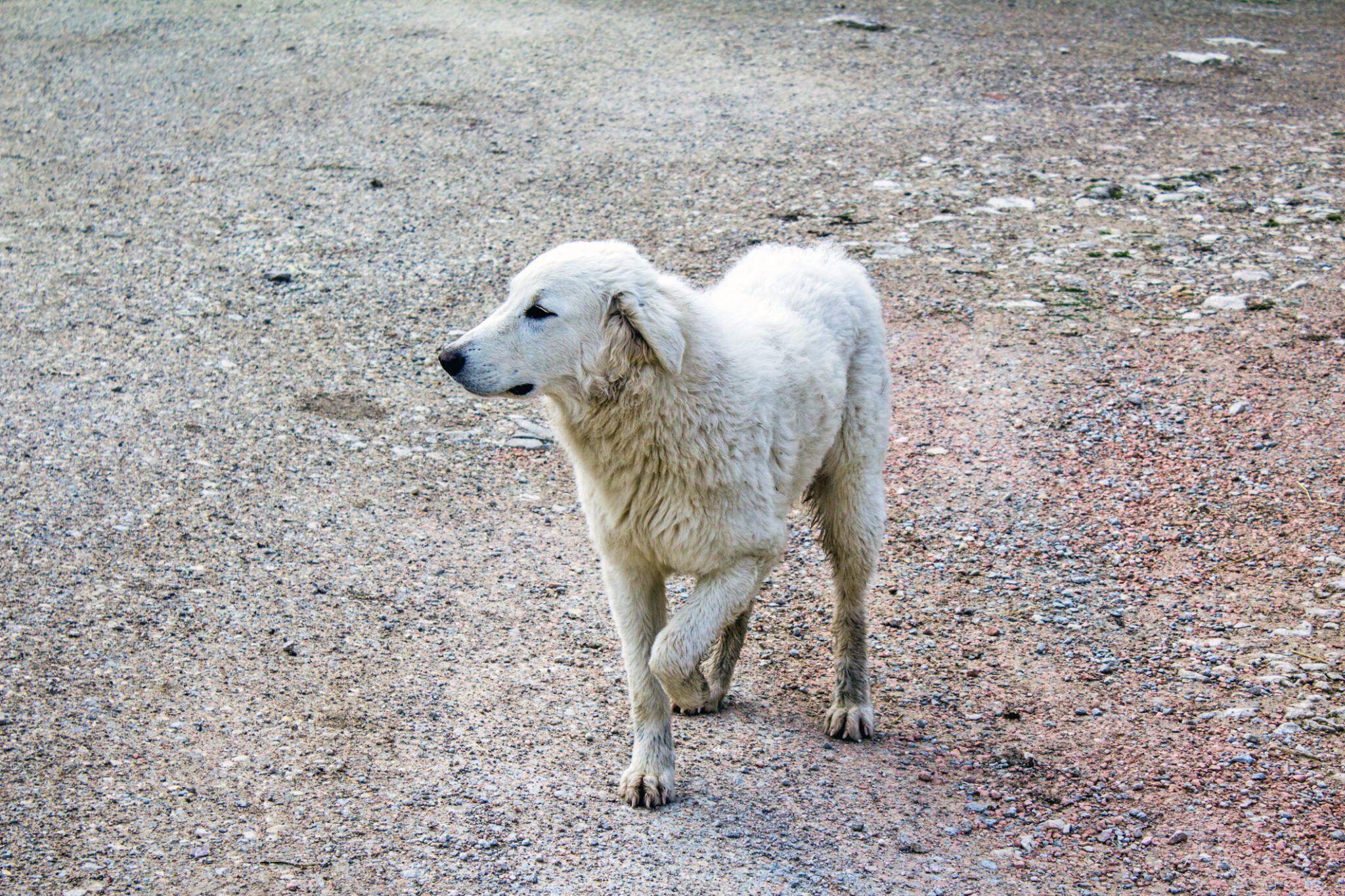
When a dog moves differently, owners often ask one simple question:
Is this a sore leg — or something else?
Limping and weakness do not look the same.
Learning to notice the difference can help you decide when to seek help.
What limping usually looks like
Dogs that are limping often look painful.
You may notice:
- avoiding weight on one leg
- holding a leg up
- sudden yelping or discomfort
- swelling around a leg or joint
- movement that is worse after exercise
These dogs often protect one specific leg.
What weakness often looks like
Weakness can be more subtle and easier to miss.
You may notice:
- dragging a paw
- scuffing or wearing down the nails
- shaky or unsteady walking
- difficulty standing up
- problems turning or changing direction
- more than one leg looking different
These dogs may still walk, but their movement looks wrong rather than painful.
Pain and weakness feel different
Pain usually makes dogs:
- avoid using a leg
- react when touched
- rest more after activity
Weakness often makes dogs:
- move awkwardly
- lose coordination
- struggle with balance
- look clumsy rather than sore
Both are abnormal.
Both deserve attention.
Why this difference matters
Pain and weakness are not managed in the same way.
If weakness is mistaken for a sore leg, improvement may never come.
If pain is ignored because a dog “still walks”, the problem may worsen.
That is why noticing how your dog moves is more important than naming the problem.
When you should seek advice
It is worth seeking help if:
- movement looks strange rather than painful
- more than one leg is affected
- signs are slowly getting worse
- your dog slips, stumbles or loses balance
- changes last longer than 24–48 hours
- previous treatment has not helped
What owners should not do
- do not assume weakness is “just age”
- do not force exercise
- do not wait weeks hoping it will settle
- do not give human medication
Simple message to remember
If your dog looks painful, limping is more likely.
If your dog looks clumsy or weak, something else may be affecting movement.
You do not need to know the cause.
You only need to recognise that the movement is not normal.
What to do next
If you are unsure whether your dog is limping or weak, discussing the changes with your vet or seeking independent advice can help clarify the next step.
Early understanding often prevents unnecessary delays.
About the author
Dragan Avramović, DVM
Independent advice in small animal surgery and orthopaedics.