

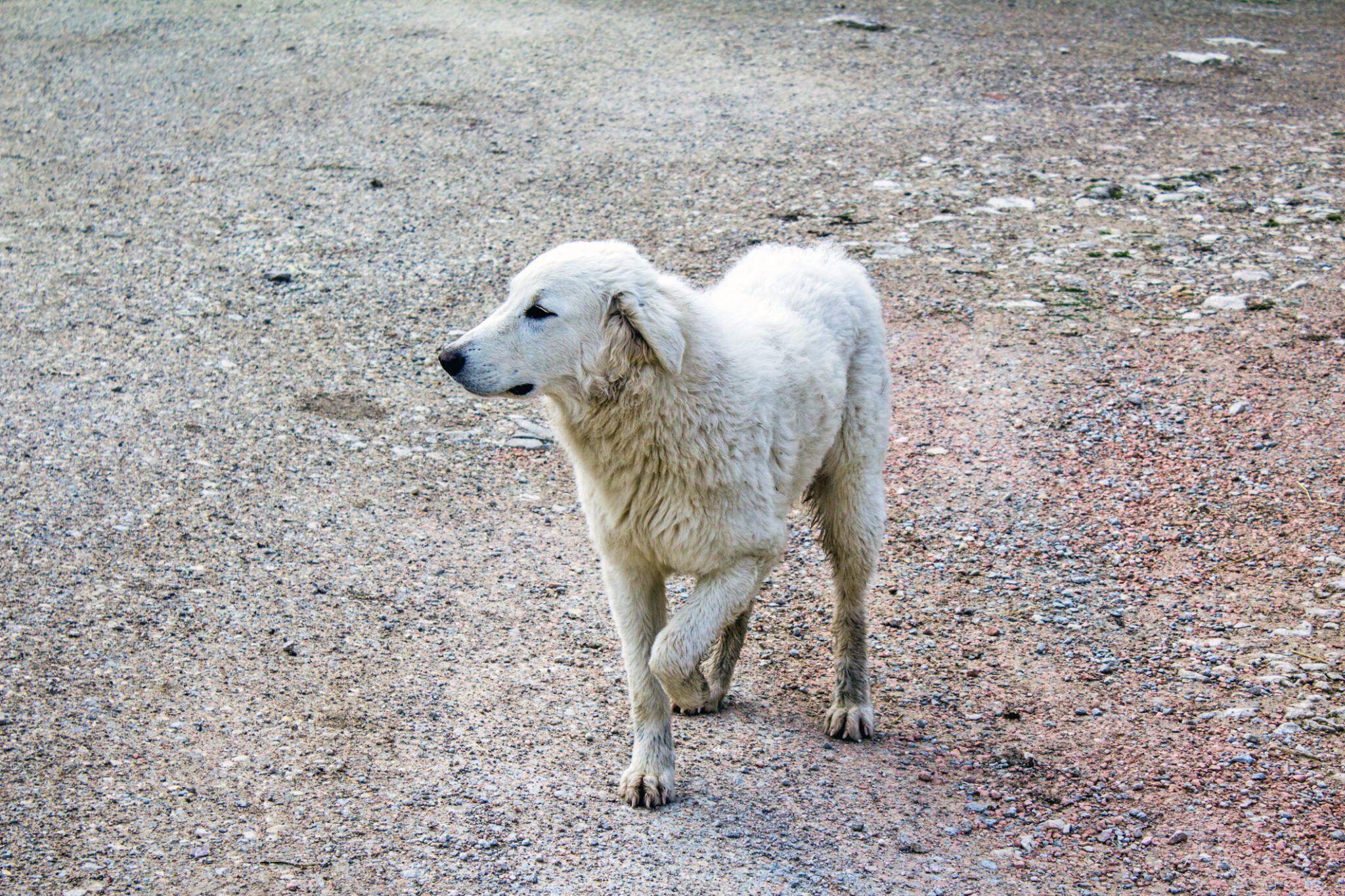
Dogs move in a very consistent way.
When something changes, it is usually for a reason.
Limping is not always dramatic.
Sometimes it is obvious.
Sometimes it is subtle and easy to miss.
This guide helps you notice when your dog’s movement is not normal.
What does “not normal” movement look like?
Pay attention to how your dog walks, stands and turns.
Changes worth noticing include:
- avoiding weight on one leg
- holding a leg up, even briefly
- walking more slowly than usual
- stiffness after rest
- reluctance to jump or use stairs
- dragging a paw
- nails wearing down unevenly
- unsteady or awkward steps
- slipping or stumbling
- needing more effort to stand up
You do not need to know the reason.
You only need to notice the change.
Pain and weakness do not look the same
Some dogs look painful:
- they avoid using a leg
- they react when the leg is touched
- movement is worse after activity
Other dogs look weak or clumsy:
- they still walk
- but their steps look strange
- coordination seems off
- more than one leg may look different
Both are signs that something is not right.
Why small changes matter
Many problems start with small changes, not sudden limping.
Noticing changes early can:
- prevent worsening
- avoid long delays
- allow clearer decisions later
Ignoring them often leads to:
- ongoing problems
- frustration
- fewer options over time
When you should not wait
It is worth seeking advice if:
- limping is sudden or severe
- your dog cannot use a leg
- more than one leg is affected
- walking looks strange rather than painful
- signs last longer than 24–48 hours
- the problem is getting worse
- previous treatment has not helped
What owners should not do
- do not give human pain medication
- do not force exercise
- do not wait weeks hoping it will settle
- do not ignore repeated or progressive changes
Simple message to remember
If your dog moves differently than before, it is worth paying attention.
You do not need to diagnose the problem.
You only need to recognise that something is not normal.
What to do next
If you notice changes like these, discuss them with your local vet or seek independent advice before deciding on the next step.
Early clarity often makes everything easier.
About the author
Dragan Avramović, DVM
Independent advice in small animal surgery and orthopaedics